
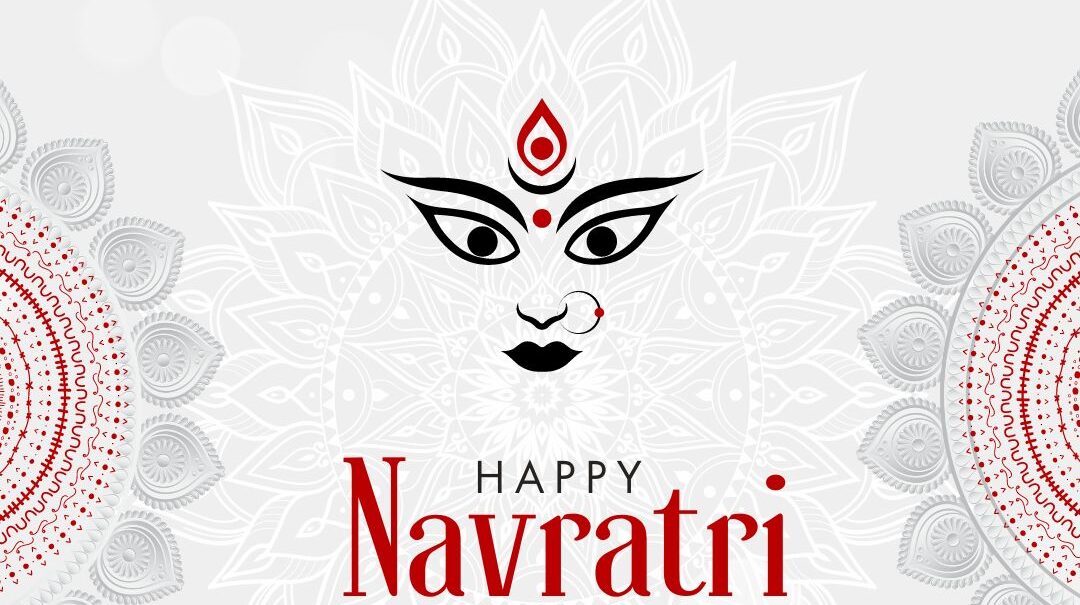
What is Navratri?
Navratri is a period of nine days celebrating the Divine Feminine and is happening from 3rd Oct to 11th Oct in 2024.
This culture draws its roots on profound observations of the human system and its relationship with the Earth, the Moon, the Sun, and different aspects of the Divine. This is also reflected in when and how we celebrate our festivals. Navratri literally means “nine nights.”
These nine nights are counted from the day after new moon day or Amavasya. These first nine days of the lunar cycle are considered feminine. This is a special time for Devi, who represents the feminine nature of the Divine. The ninth day is called Navami. The one-and-a-half-days around the full moon are a neutral time. The remaining eighteen days are masculine in nature. The feminine phase of the month is about Devi. That is why in the tradition, all worship up to Navami is dedicated to Devi.
There are twelve nine-day periods in a year and each of these is focused on a different aspect of the feminine Divine or Devi. The Navratri that comes around October is considered the most significant one because it is dedicated to Sharada, the goddess of learning. Amongst the many things that a human being can do, this tradition lays greatest emphasis on learning. Other creatures can run faster than us; they are stronger than us; they can do many things that we cannot do – but they cannot learn like we can. The pride of being human is that you can learn just about anything – if you are willing.
Importance of Navratri – a Time of the Feminine
When we say “masculine” and “feminine,” we are not talking about the gender; we are talking about the basic qualities in the existence, the polarities. The physical world can only exist between polarities – day and night, darkness and light, masculine and feminine, and male and female. Male and female is a manifestation of the masculine and feminine qualities, not a quality by itself.
The post autumnal equinox is the time of the feminine. Since this part of the year naturally supports the feminine, certain societies have worked to establish the feminine consciously, because the masculine asserts itself without much encouragement. The feminine needs support to assert itself – otherwise it moves into the background.
In any given society if feminine moves into the background, they will become conquerors. That means they will sit on an empty shell of life. They will conquer the whole world, and find that they have no taste of the world. This is the plight of the masculine that they reach the top of the world and then feel miserable right on the top.
Why Navratri Fasting?
Consciously bringing the feminine into your home, culture, and day-to-day practices is very important. The Indian culture created a whole series of processes, rituals and many other devices so that you go through this properly. You may not be conscious that it is Navaratri, so they told you to fast during these nine days. When there is food in the stomach, you forget what day it is, but if you are fasting you will be very conscious of what day it is. By the time you come to the ninth day, you will be superconscious! So, to make you very conscious and also to bring a certain level of purification in the body, you are supposed to fast.
Navaratri is all about the different Devis. Some of them are very gentle and wonderful. Some of them are fierce, terrible, or horrifying. This is the only culture which worships women who bite your head off. This is because we did not want to surrender one’s intelligence, brilliance, genius, and other competence at the altar of good behaviour alone. Good behaviour will give you social access. If you do not have good behaviour, society will reject you, but life will not reject you. If you are the only person on this planet, no one would be there to tell you what is good behaviour. You behave well as a consideration for the people around you, but as a life it means nothing.
Day-wise Colour List and Significance
Each day is associated with a specific colour, symbolising different attributes and energies.
|
Day
|
Date
|
Navratri Colour
|
Goddess Name
|
Significance
|
|
Day 1
|
October 3
|
Yellow
|
Goddess Shailputri
|
Symbolizes happiness, brightness, and energy.
|
|
Day 2
|
October 4
|
Green
|
Goddess Brahmacharini
|
Represents growth, harmony, and new beginnings.
|
|
Day 3
|
October 5
|
Grey
|
Goddess Chandraghanta
|
Reflects stability and strength.
|
|
Day 4
|
October 6
|
Orange
|
Goddess Kushmanda
|
Symbolizes enthusiasm, warmth, and energy.
|
|
Day 5
|
October 7
|
White
|
Goddess Skandamata
|
Represents peace and purity.
|
|
Day 6
|
October 8
|
Red
|
Goddess Katyayani
|
A color of power and passion.
|
|
Day 7
|
October 9
|
Royal Blue
|
Goddess Kaalratri
|
Represents royalty, elegance, and wealth.
|
|
Day 8
|
October 10
|
Pink
|
Goddess Mahagauri
|
Symbolizes compassion, harmony, and love.
|
|
Day 9
|
October 11
|
Purple
|
Goddess Siddhidatri
|
Reflects spirituality, ambition, and prosperity.
|
3rd Day of Navratri: Colour – Grey
Grey, particularly in the context of spiritual practices like those dedicated to the goddess Chandraghanta, embodies significant themes such as balance, stability, and the pursuit of inner peace. This colour is often associated with the qualities of calmness and neutrality, making it a powerful symbol in various cultural and spiritual contexts.
- Balance and Stability: Grey is frequently linked to equilibrium, representing a middle ground between extremes. This aspect makes it a colour that encourages individuals to seek harmony in their lives, promoting emotional stability and introspection.
- Inner Peace: The calming nature of grey can induce a desire for tranquillity, aiding individuals in their quest to eliminate negativity or “evil activities” from their lives. It serves as a reminder to focus on self-reflection and personal growth, aligning with the spiritual goals often associated with worship practices.
- Detachment and Temperance: In Hindu philosophy, grey symbolises detachment from materialism, encouraging a seeker to let go of worldly attachments in favour of spiritual enlightenment. This aligns with the teachings surrounding Chandraghanta, who represents strength and protection while also embodying the pursuit of inner harmony.
- Meditation and Introspection: Grey is also connected to meditation practices, suggesting that its presence can facilitate deeper self-awareness and reflexion. It encourages individuals to look inward, fostering an understanding of their emotions and thoughts.
Maa Chandraghanta
Chandraghanta is a very powerful goddess in Hinduism; she is considered the third of the Navadurga, which is worshipped during the festival of Navaratri. Her name literally means “one who has a half-moon shaped like a bell.” This means beauty and strength together.
Attributes and Symbolism
- Appearance: Chandraghanta has a shining golden complexion with ten arms. She carries number of weapons like trishula, gada and scimitar simultaneously while in other hand she has symbols of peace like lotus flower and a waterpot. On her forehead, a crescent moon in the shape of a bell is also found, and her third eye symbolises alertness against evil forces.
- Mount: Sitting on a wolf is a symbol of fearlessness and boldness. The scary figure of the goddess is to bring about the confidence level in the devotees.
Both Wrath and Pitiless as well as Nurturing Chandraghanta is a person who fights against the evil but also possesses motherly grace as she provides protection and blessings to her followers.
Detailed Significance of Each Colour
- Yellow (Day 1): On Day 1, yellow is associated, and Goddess Shailputri is its meaning, which is associated with happiness and optimism. It is associated with learning and knowledge; thus, it becomes a good start for the festival.
- Green (Day 2): Green is that colour reserved for the festival’s second day, remembering Goddess Brahmacharini. The symbol includes new beginnings and growth, relating to fertility, as people believe it may bring prosperity into their lives.
- Grey (Day 3): Wuerished to the goddess Chandraghanta, gray symbolizes balance and stability. It induces the desire to seek inner peace and remove evil activities by excluding them from life.
- Orange (Day 4): Associated with the Kushmanda goddess, orange represents warmth and enthusiasm. She infuses creativity and positivity into the celebration.
- White (Day 5): Dedicated to the Skandamata goddess, white symbolizes purity and peacefulness. White creates serenity and is done to invoke divine blessings.
- Red (Day 6): This strong colour depicts Goddess Katyayani and gives the impression of power and passion. So, red was decorated profusely on the premises to enhance the devotion during this day.
- Royal Blue (Day 7): Royal blue is a colour for Goddess Kaalratri’s worship. The richness and calmness are symbolized by this colour. This colour is believed to enhance health, wealth, and strength among the devotees.
- Pink (Day 8): Pink is associated with Goddess Mahagauri. Pink symbolizes love and compassion. It fosters rapport on those days when the festival is held.
- Purple (Day 9): The colour is offered to Goddess Siddhidatri. Purple represents spirituality and ambition. This is believed to provoke devotion and bring prosperity to the wearer.
These colours brighten the celebrations, but they also remind us of the qualities that each goddess represents and embodies during Navratri.
Navratri’s vibrant colours and devotion to the goddesses create a meaningful journey of spiritual growth. Each day’s associated colour not only enriches the festivities but also embodies qualities like love, power, and peace. As the festival progresses, devotees reflect on these virtues, invoking divine blessings and prosperity.


Leave a Reply